

How Panamanian Students Sparked a Global Partnership

Orillac, BN’76, missed orientation. In fact, he had never seen the campus before. His English was shaky at best. But like every first-year Bulldog, he was ready to take on the challenge.
His first year was tough, but he was surrounded by people who wanted to see him succeed. “That’s the main reason I loved the school,” he said. His professors took extra time to help him with his coursework, his roommates helped him adjust to American culture, and his Drake experience began to shape the way he would approach every professional challenge ahead.
Today, Orillac is the CEO of Motta Internacional, S.A., a company that employs more than 2,000 people across Central and South America and the United States. And though it’s been nearly 50 years since he walked across the stage at graduation, his bond with Drake is as strong as ever.
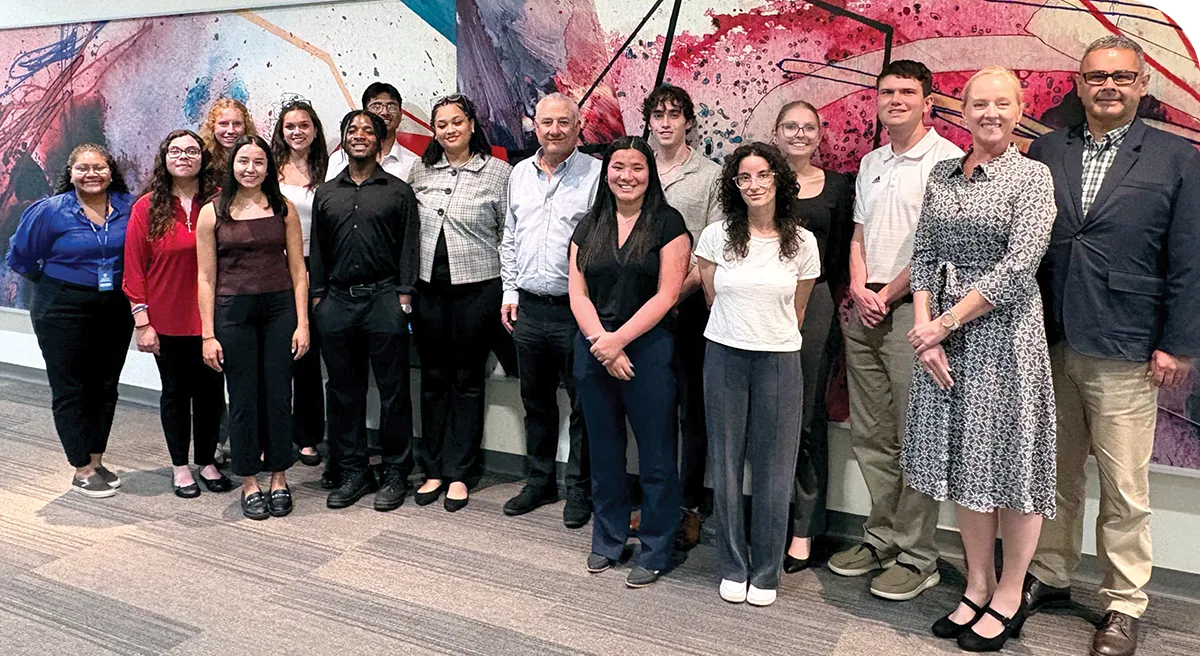
That class changed his career path. When Motta returned to Panama after graduation, he brought his newly acquired computing skills and an early Mac Plus computer to his first job at Banco General.
“After a week, the president of the bank said, ‘Go buy one for you and one for me, and teach me how to use it,’” Motta said.
Motta is now executive vice president of consumer banking at Banco General, where he has worked for the past 35 years, playing a key role in the bank’s growth into Panama’s largest financial institution with a market share of more than 50 percent.
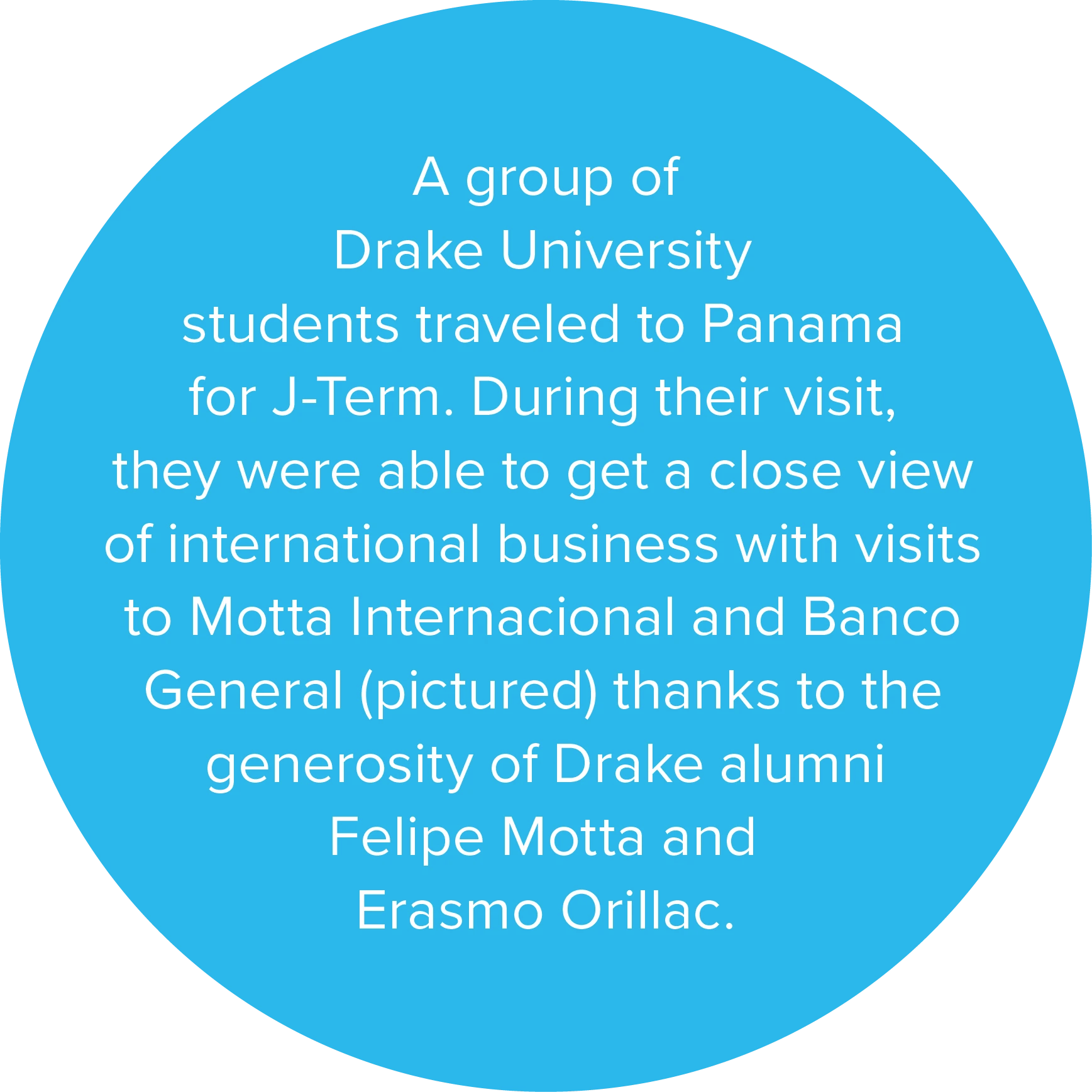
Orillac and Motta are just two of many Panamanian students from the 1970s and 1980s whose experiences at Drake helped launch them into leadership roles in their home country. Over the years, their positive experiences helped encourage more Panamanian students to enroll at the University. As these alumni built their careers, they remained closely connected to Drake, creating partnerships that continue to benefit the University and its students.
Expanding the Connection
One of the newest initiatives is the “Business at the Hub of the Americas” study abroad program in Panama City, a collaboration between Drake University’s Zimpleman College of Business and the Office of Global Engagement. The program immerses students in Panama’s economy, allowing them to work directly with multinational companies, trade associations, and local entrepreneurs to help tackle industry challenges.
Students don’t just learn from faculty—they spend time with alumni like Orillac and Motta, who welcome them into their businesses by offering mentorship and insight into Panama’s role as a global business hub.
According to Annique Kiel, Drake’s executive director of global engagement and international programs, the goal is to help students develop the cultural intelligence needed to thrive in an increasingly global business landscape.
“Drake has three main tenets of our mission statement, and one is responsible global citizenship,” Kiel shared in an interview with Iowa Capital Dispatch. “Drake places a lot of emphasis on that particular tenet to ensure when students graduate from Drake, they do so with the strength gained from exposure to a global perspective.”
More Than Just Business
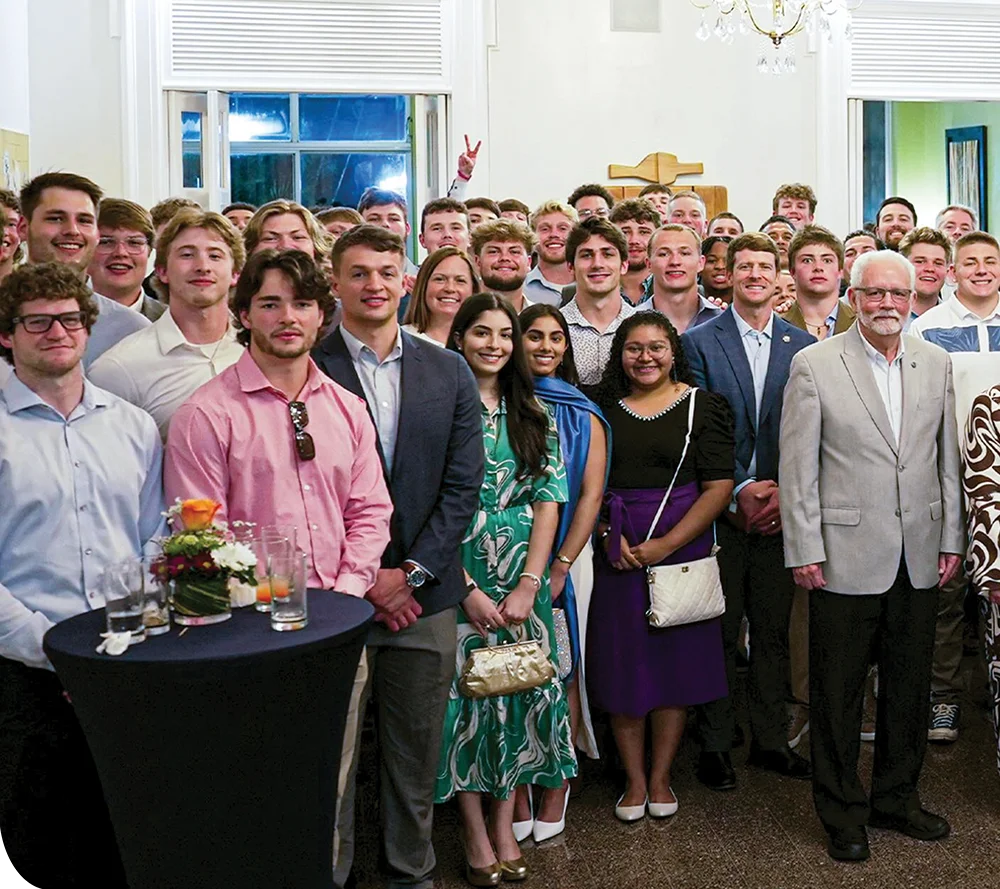
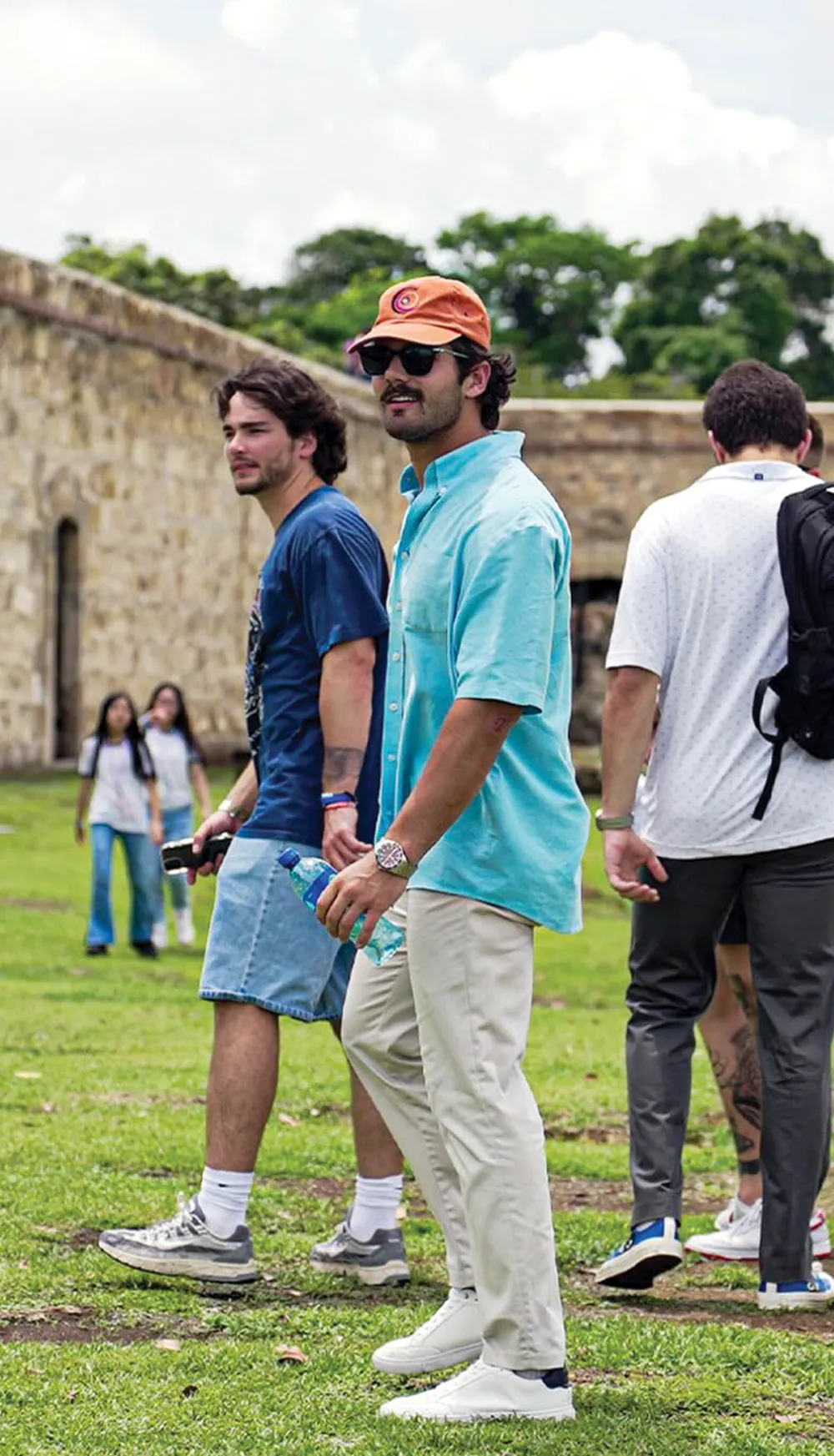
The 11-day trip included a course on Panama’s economy, meetings with local communities and business leaders, and a preseason game against a Panamanian team.
In an interview with Iowa Capital Dispatch, Drake football player Finn Claypool shared the value of the trip, saying the University had done the students a big favor by offering the experience of traveling abroad, because it exposed them to a unique opportunity most college students wouldn’t have.
Now a related academic initiative is in the works: student teaching placements in Panama through Drake’s School of Education. Through partnerships with Panamanian schools, future Bulldog educators will gain international classroom experience, adding to the University’s reputation for producing globally minded graduates.
A Partnership That Benefits Everyone
“Business is people,” Orillac said. “You can’t do business if you don’t interact with your customers and suppliers.”
As Orillac reflected on his journey from a young student in Iowa to a business leader in Panama, he summed up the spirit of this ongoing partnership:
“All the favors and help I received made me realize I had to give back to others.”