








Designed for Everyone
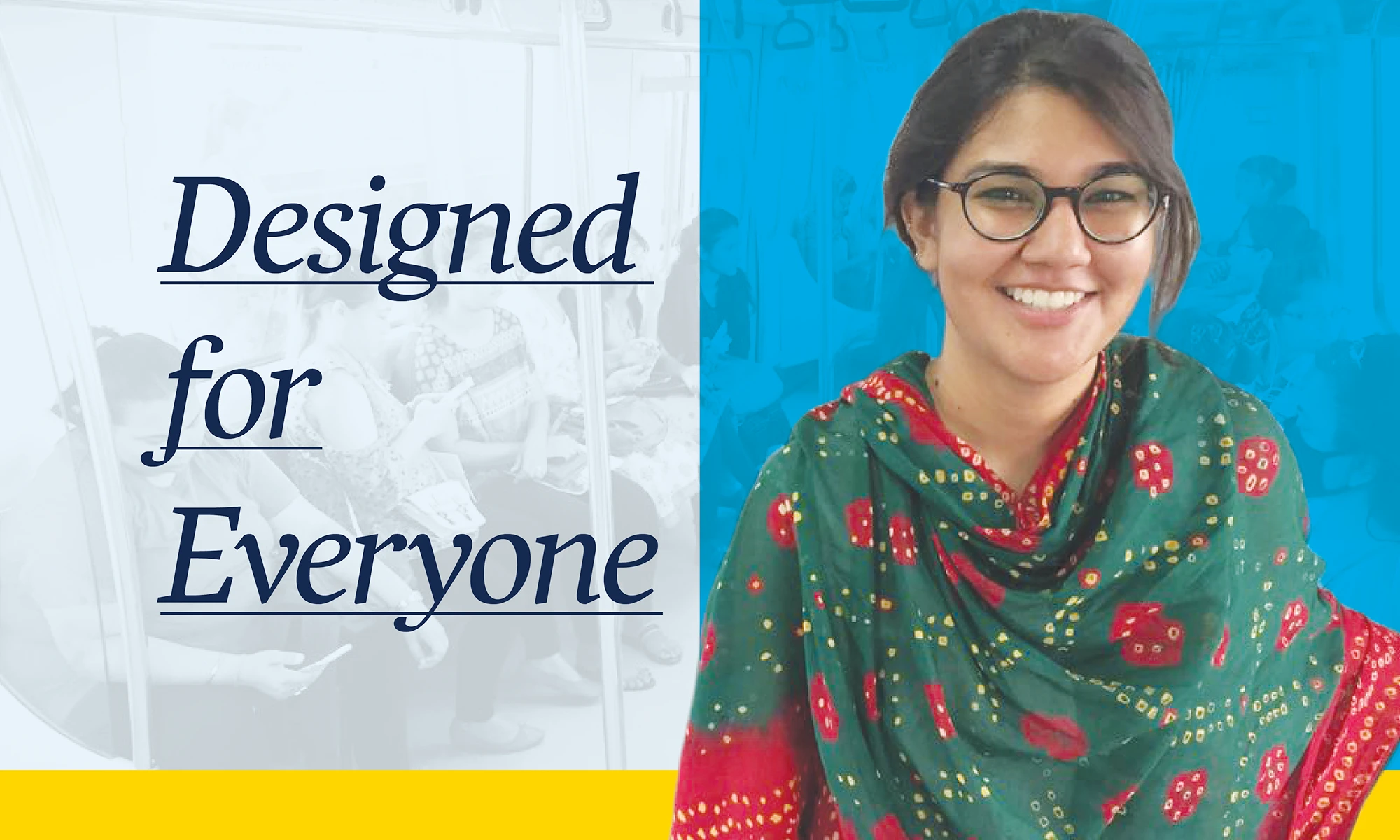
“Even when I haven’t always known it,” she said, “there’s been sort of a through line.”
She’s right. It just took thirteen years to see it clearly.
Dhussa is a user experience (UX) designer and Presidential Innovation Fellow whose career has taken her from Silicon Valley to New Delhi to Washington, D.C., always asking the same question: Who isn’t being served by this system, and how do we fix that?
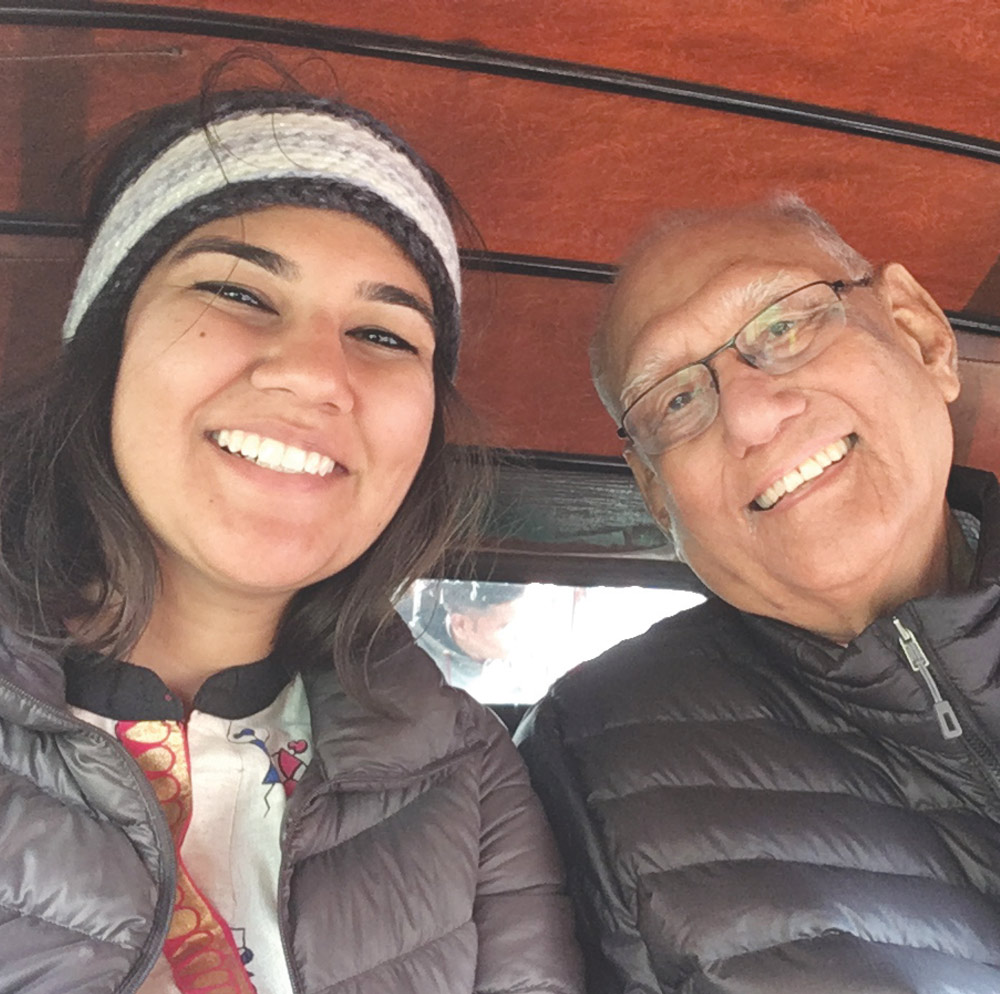
Daughter of a Drake Professor
Then she came anyway.
She wanted to study photojournalism, a passion she inherited from her father, but discovered Drake didn’t offer it. She pivoted to radio and television production, added a sociology degree, and threw herself into campus life: resident advisor, South Asian Student Association, and a weekly radio show on The Dog/KDRA called “Gitanjali with Ankita,” featuring retrospectives on South Asian music.
It was the first lesson Drake taught her: When the path you planned doesn’t exist, build a new one.
Different Jobs, Same Question
At Hulu, while working on the technical side of video encoding, she discovered UX—the discipline of understanding how people interact with technology and making that interaction better. Her journalism training taught her to ask questions and listen carefully. Her sociology background taught her to see people in systems. UX gave her a professional language for both.
“I never intended to work in tech,” she said. “But this corner of it felt more aligned with what I’d always cared about.”
Her transition to civil service began with a Presidential Innovation Fellowship at the USDA, where she helped design a tool to be used by state reviewers of food sites supporting millions of American families.
“In government, there are no edge cases,” she said. “You have to design something that everyone can use.”
Back to the Beginning
What’s next, she says, is a short break to explore the world and determine what follows. She believes her future will be in civic tech—the use of technology to enhance citizen engagement, improve government services, and strengthen the relationship between people and public institutions.
She is putting her belongings in storage in Washington, D.C., and setting off for London, Amsterdam, India, Japan, Hawaii, and Mexico City with her camera in hand, following a curiosity about how people live that she has carried her entire life.
It is exactly where she started. A girl who grew up watching the world through a camera lens, raised by a geographer who believed that understanding people begins with understanding place.
“The worst that can happen is someone says no,” Dhussa said. “That’s a lesson I’ve learned with time.”
From the Outside Looking In
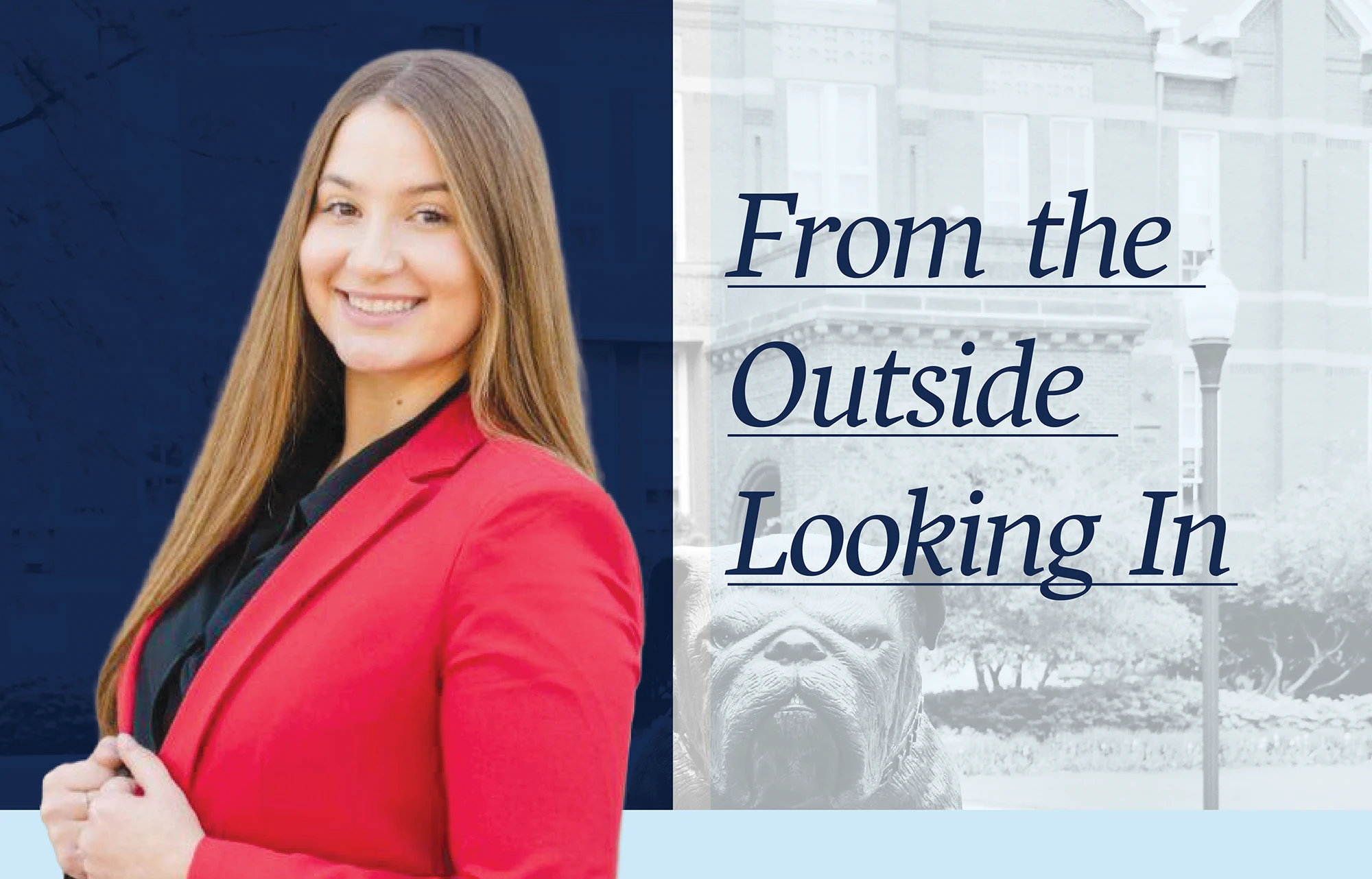
She had no particular reason to believe that. She wasn’t a strong student. She didn’t know what she wanted to study. She just knew.
And she was right.
Aksamovic graduated from Drake in May 2026 with a degree in law, politics, and society—the first in her family to earn a four-year college degree. As the daughter of Bosnian war refugees, Samra spent her college career making sure that no one at Drake felt like an outsider the way she once did.
Iowa Was in the Middle
Her parents met at Roosevelt High School, learned English, got married, and built a life with jobs and a family. They raised their children in both languages—Bosnian first, then English, which she had to relearn when she started elementary school.
It was not an easy path. Her parents eventually divorced, and the family scattered. Her grandparents stayed in Des Moines, and Aksamovic and her mother moved to Grimes. But the anchor of Drake, just down the street from where her grandparents still lived, never changed. Neither did Samra’s certainty about it.
When it came time to apply for college, she applied only to Drake. If she didn’t get in, she told herself she would try again. She never looked at another school.
She got in on the first try.
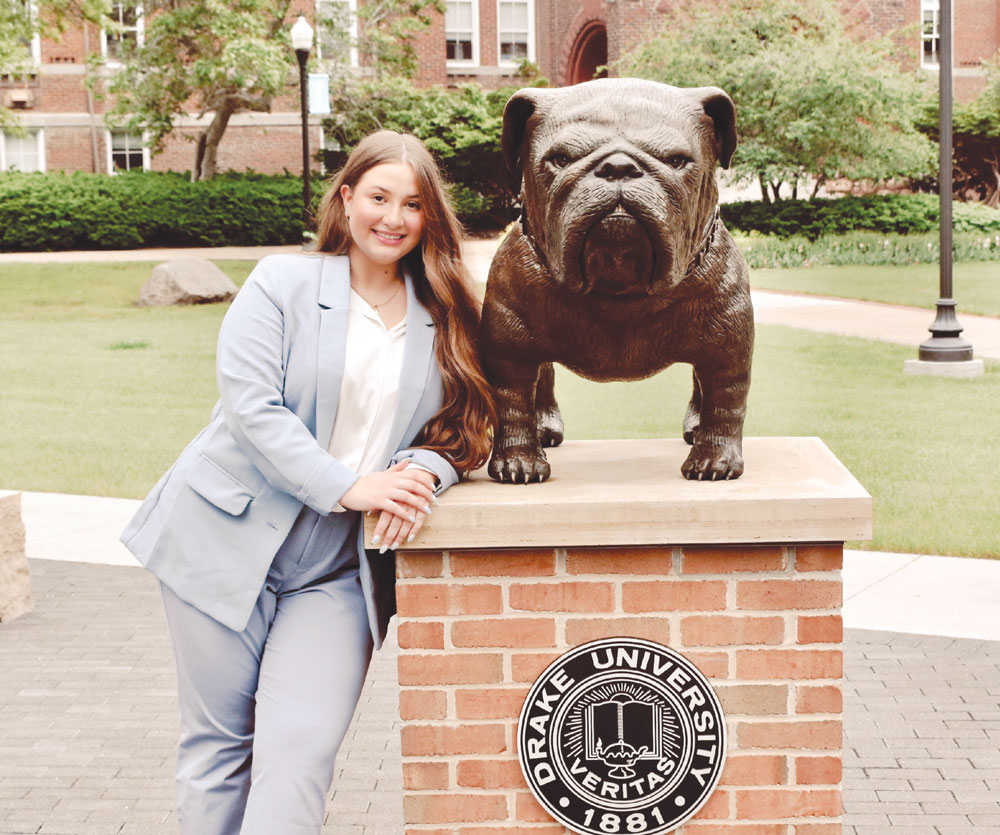
A New Drake Experience
It was also, at that time, nearly invisible on campus.
“No one knew what Bright College really was,” she said. “It almost felt like we were outsiders.”
She ran for Bright College senator, her first real step outside the comfort zone she had carefully maintained through high school. She won in a runoff election against four other candidates and began serving on the representative body that upholds the interests of its student constituents, as part of Drake’s shared governance structure. Her first act was to ensure that Bright College had representation at the campus bookstore. Every other college at Drake had merchandise there. Bright College didn’t. Now it does.
“Representation matters,” she said simply. “If you’re not there, you’re invisible.”
The Advocate
A teacher in a senior-year internship program nudged her toward a different idea. Have you ever thought about being a lawyer?
She hadn’t. But she researched it, landed an internship at Neighborhood Law Group—a criminal defense and family law firm in West Des Moines—and within two weeks, her boss told her she belonged there. She has now worked there for five years.
At Drake, the law, politics, and society program gave her language for what she had always felt. She believed in fair defense, that everyone, regardless of circumstances, deserves someone in their corner. She thought of her parents, arriving in America with nothing, navigating systems they didn’t understand, without anyone to advocate for them.
“My parents didn’t get a fair way of coming to America,” she said. “And I didn’t get a fair way when they got divorced. That made me think—someone has to fight for the people who don’t have anyone fighting for them.”
She decided that someone would be her. She is applying to Drake Law School. The girl who claimed this place from down the street isn’t ready to leave.
“I started just a normal little girl,” she said, “not knowing what to do. And now here I am.”
The Leader Who Connects

Theater student. Global studies major. Traveler. Waitress. Translator. A vocational development role connecting people with disabilities to meaningful work. She was, Axiotis will tell you with a smile, following her instincts. Each stop taught her something about herself and her love of connecting people with what they need.
She found her direction in a Friday night classroom at Drake University—and what she discovered there set her on a path to the heart of one of Iowa’s largest health systems.
Today, Axiotis is president of the UnityPoint Health – Des Moines Foundation, where she leads a team of fundraisers connecting donor passion to clinical need. She has spent 17 years building a career in health care philanthropy.
Finding Her Path
When she returned, she hoped to finish her undergraduate degree at Drake, but the University didn’t offer a Spanish major at that time. She enrolled at Simpson College instead. Next, there was a stint in Chicago, and then back to Des Moines to work as a vocational developer at Mainstream Living. She enjoyed connecting people with sustainable jobs and employers. She started looking for a graduate program; she knew she wanted to help people but was unsure of how.
That’s when she found Drake’s Master of Public Administration program. Healthcare management. Nonprofit leadership. Fundraising. Grant writing.
“I thought, ‘This is where I belong,’” she said.

The Friday Night That Changed Everything
“I adore him,” Axiotis said. “He walked on water as far as I’m concerned.”
Professor Meyer was energetic, passionate, and captivating. He became—for her and many others in that program—a guide to careers with purpose. She met other students with similar interests, including Bob Ravenscroft, who was then president of the foundation at Mary Greeley Medical Center in Ames. When a role opened at Mary Greeley, Ravenscroft offered it to Axiotis.
“That’s exactly how I found healthcare,” she said. “That’s how it happened.”
She had never considered healthcare. She thought of it in clinical terms. But Professor Emeritus of Public Administration Allen Zagoren, who taught the healthcare management track while also practicing medicine, offered a different perspective. He showed her how hospitals work from the inside, how administration and clinical care intersect, and where someone like her might plug in.
“I got really excited about how hospitals run,” she said. “I could see how I could impact healthcare.”
Shark Tank Meets Hospital Philanthropy
If Axiotis’ day-to-day is about connection, her newest initiative is about igniting something bigger.
She is launching an innovation fund at UnityPoint Health, inspired by a concept her team brought back from a conference in California. The format: Physicians present innovative clinical projects to a room full of donors. The donors vote. The winning project gets funded.
She calls it Shark Tank meets hospital philanthropy.
Paying It Forward
Her favorite part of managing a team of fundraisers is clearing their calendars and removing obstacles so they can focus on what matters most—getting out into the community and connecting the mission to the people who care about it.
“I enjoy empowering them,” she said. “I enjoy letting them fly.” For Axiotis, that is what leadership looks like: not holding the spotlight, but making sure it reaches everyone around her.
From the Tennis Court to Courtside at the Thunder

“For the longest time, I thought I wanted to be an author,” Hunt said.
Finding the right college meant finding a place that would allow her to be both versions of herself—the athlete and the artist. Drake University checked every box.
Recruited by the Drake tennis program, she arrived in Des Moines with plans to study creative writing. But an early design course changed everything. She switched majors—eventually graduating with a double major in advertising and graphic design. “I loved that Drake let me do that,” she said, “and not feel stuck in one area.”
She didn’t just take classes and play tennis. Hunt dove in headfirst. She covered sports for The Times-Delphic. She designed graphics for Drake Athletics, working with the men’s and women’s basketball and tennis teams. She served as president of the American Marketing Association, leading a 30-plus team of students through a full marketing campaign developed in partnership with Coca-Cola and Atlantic Bottling Company. She interned at Dotdash Meredith (now People, Inc.), one of the largest digital publishing companies in the country.
And then there was the media day.
Frustrated that her women’s tennis team was left out of the photography sessions enjoyed by higher-profile Drake sports, Hunt approached Professor of Digital Media Chris Snider with an idea: let her run a media day. He handed over the camera, set up the lighting, and helped her pull off a shoot that she still describes with excitement.
“He taught me how to use the camera, he set up an app for me; we got blue lighting because I had this vision,” she said. “He was just adventurous and willing and so supportive.”
In her senior year, she won her second Missouri Valley Conference tennis championship, culminating in a senior day that she calls one of the best days of her life. Teammates, professors, staff members, and mentors from her internship all came out to cheer her on.
“I felt so empowered,” she said. “I played the best match of my life.”
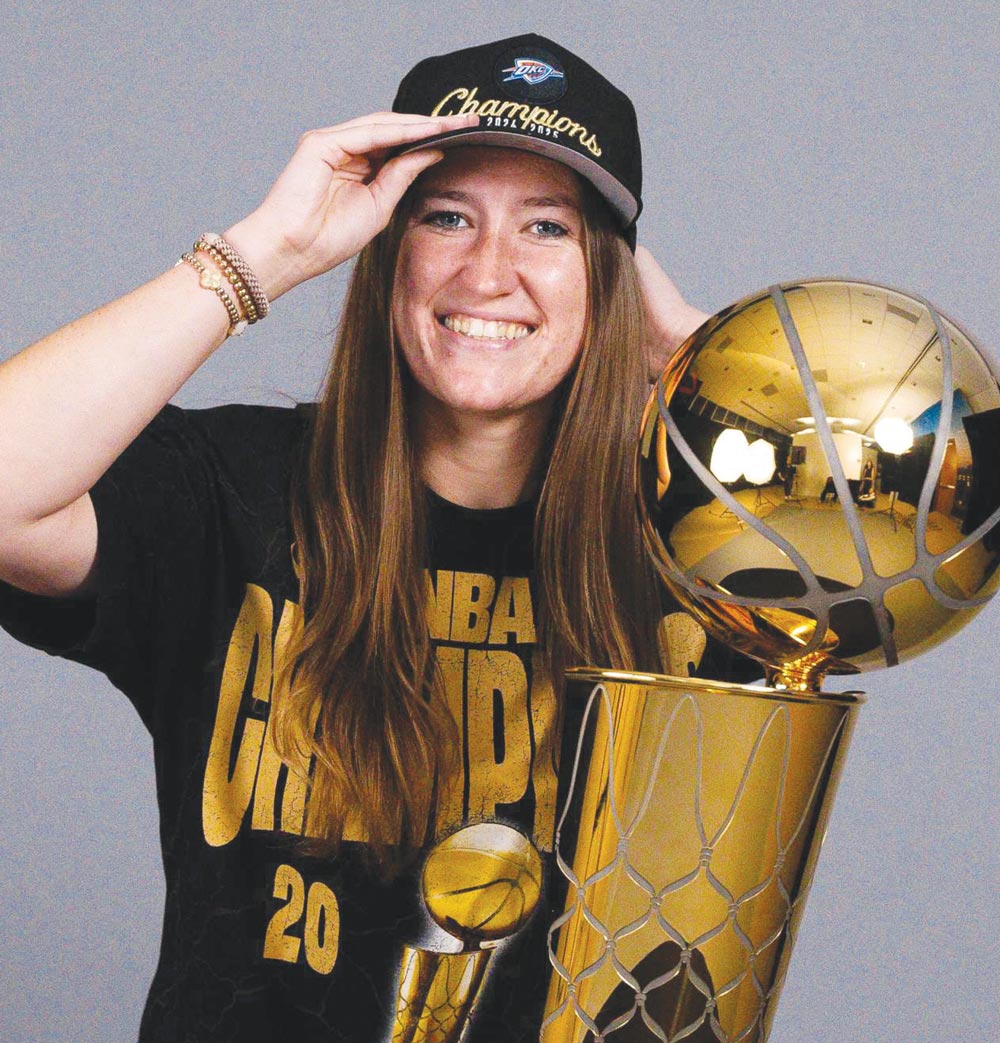
Courtside Design in Real Time
“It can be stressful,” she said, “but it’s also very exciting and very rewarding.”
As a digital designer, her focus is on social media, email, and the web, but the work spills into everything. As the Thunder prepared for the 2026 playoffs, Hunt designed the large-scale graphics for the outside of Paycom Center.
Still Building for Drake
“I felt like it was a little disjointed,” she said. “There was an opportunity for a feeling of cohesion. All these sports can have a little bit of uniqueness, but they should feel united under the Drake brand.”
Drake said yes. Now, as a freelance graphic designer for her alma mater, she’s building out a unified visual system for Drake Athletics—one that balances bold, accessible design for older fans with the grittier textures and player-forward imagery that younger audiences expect.
What’s Next
She’s also quietly becoming a professional pickleball player, sponsored and traveling to tournaments because apparently, one sport was never going to be enough. “I just love new experiences,” she said.
Brooklyn to Bulldogs to Boardrooms

It’s not a title he sought, but like most of the meaningful roles of his life, it found him because he kept showing up.
Brooklyn Boy, Dominican Roots
By high school, Gallagher and his mom had moved again—first to New Jersey, then to South Florida, arriving just before Hurricane Andrew tore through in 1992. Gallagher enrolled halfway through sophomore year at Hallandale High School. He joined the football team, took his share of beatings, considered quitting, but then something clicked. The games slowed down; he saw what he needed to do. In his only year of wrestling, he made it to state.
When it came time for college, Gallagher told his football coach: Find me someplace where I can get a good education, play ball, and be with good people. His coach called Drake football coach Rob Ash, who flew to Florida to meet Gallagher. Two weeks later, Jo Arbuckle from Drake’s Office of Admission called with an offer.
Gallagher arrived in Des Moines in August 1993, sight unseen, and just weeks after the city had sustained massive flooding. “My first thought was, what have I done?” he recalled. Not only was the airport smaller than his high school, but as they drove down Fleur Drive, the assistant football coach pointed out the high-water marks on the abandoned AIB buildings.
From Engineering to Pharmacy
He came to Drake planning to study engineering because his mother said that’s what he should do. Calculus had other ideas.
After two attempts, he started looking around for something different. He considered the military, ruled out dentistry for practical reasons, and then one day, a roommate’s girlfriend mentioned she was studying pharmacy. He made an appointment with then-professor Renae Chesnut, former dean of the College of Pharmacy and Health Sciences. She let him sit in on a few courses. “From there, I was in pharmacy,” he said. “The rest was history.”
Staying in Iowa
That conversation became a job, and then a career. Gallagher spent seven years as a pharmacy manager on Des Moines’ south side. He credits his fluency in Spanish and two years of Italian studies with his successful patient engagement. He oversaw millions in year-over-year annual growth, was admitted to Walmart’s Rising Star and Management Training Programs, and adopted the brand’s “respect for the individual” philosophy as his own. “It has served me well when engaging with people of differing opinions,” he said.
Building PharmServ
In 2006, Gallagher saw an opportunity to fill that gap. He launched PharmServ Solutions in early 2007, and the young company quickly benefited from a period of pharmacy consolidation and acquisitions. Nearly 20 years later, PharmServ Staffing is an established pharmacy workforce solutions company serving clients across multiple states. Gallagher still loves the work. “I could do PharmServ forever,” he said, “because the need is still there, and so is my passion for it.”
As the company found its footing, Gallagher discovered he had energy left over. He joined boards, chaired committees, and accepted every invitation extended to him, including one from the White House to advise on year-three implementation of the Affordable Care Act through his work with Alpha Phi Alpha Fraternity.
It was Dr. Chesnut who first helped him see his impact. Years after he’d left her classroom, she invited him to speak on a panel of successful alumni. He asked her why he was there, among all those accomplished people. She told him, “Sometimes people see your shine before you do.”
On a hard day during the COVID-19 pandemic, Gallagher came home to a voicemail from Kirk Hayes, chair of Pharmacists Mutual Insurance Group, a national specialty underwriter serving the healthcare industry. He wanted Gallagher on the board—and had already talked to Dr. Chesnut for her thoughts. Gallagher had no idea.
That realization changed how Gallagher thought about his next chapter. He earned certification through the National Association of Corporate Directors, qualifying him to serve on nonprofit, for-profit, and public boards.
Today, he is vice president of the Des Moines Area Community College board and chair of Pharmacists Mutual Insurance Group.
“I didn’t seek any of this,” he said. “I just kept doing the work, and one thing led to the next.”
The Gallagher Pharm
When he and Sara became empty nesters, she asked for a dog. Simple enough. Except he reasoned that a dog needs a fence, and before you build a fence, you should probably fix the deck. And if you’re fixing the deck, you might as well add better lighting. And if you’re putting up a fence anyway, why not make it tall enough to keep chickens? And if you’re building a chicken shed, well, why not build a 14-by-24 Dutch barn instead?
Sara got her dog. Felix got a farm.
He affectionately dubbed his three-quarters of an acre “Gallagher Pharm.” He now tends 11 chickens, six varieties of fruit trees, and one very patient wife. On hard weeks, he opens the chicken run, sits outside with Maggie the farm dog, and just watches. It’s exactly what he needs.
“I’m not sure what comes next,” he said. “I do know that I’m going to continue to evolve in a way so that I can discover what I truly enjoy, what I’m truly best at, and what I can bring the most value to. And maybe get a couple of goats.”
Educating With Purpose

Long before he became South Dakota’s Secretary of Education, Graves understood that teaching and leading schools were about service. He comes from a long line of educators: great-grandparents who taught in one-room schoolhouses, a great-uncle who served as a superintendent, parents and relatives who built their lives around schools. “We used to joke that we had chalk dust in our blood,” he said. “People don’t know what that means anymore, but the idea still holds.”
From classrooms to systems
“As you move into leadership roles, you naturally start seeing patterns,” he said. “You see where systems help students and where they fail them.”
One early lesson came during his time as a superintendent, when his district adopted an instructional model that regularly regrouped students based on where they were learning best, keeping every child in the “zone of proximal development.”
The academic gains were real. But so was the resistance.
“Some parents were uncomfortable,” Graves recalled. “They liked it when learning came easily for their child. When it became more challenging, even though it was working, that was harder to accept.”
The experience left a lasting impression. Meaningful improvement, he learned, often creates discomfort. And leadership means staying the course when evidence supports the work.
Over the years, that systems-level thinking also shaped how Graves approached innovation—from early instructional models to being among the first districts in South Dakota to adopt one-to-one student computing.
“Technology can expand access in incredible ways,” he said. “But every advance introduces new challenges. The work is never finished.”

Drake shapes leaders
Classes were intense: long weekend sessions, late nights, sustained focus. But they were also collaborative. Graves remembers a cohort of educators pushing one another forward, traveling together to libraries, sharing research, and supporting each other through demanding schedules.
“We didn’t get through it alone,” he said. “That experience shaped how I think about leadership to this day.”
His doctoral research at Drake explored educational paradigms, examining how philosophies of teaching influence everything from curriculum to decision-making. The work reinforced a belief he still holds: Education must balance innovation with foundational knowledge, content with curiosity.
Servant leadership, in practice
“To lead is to serve,” he said. “Students, families, educators—someone else is always at the center of the work.”
He laughed as he recalled standing in snowbanks at 3 a.m., deciding whether buses would run. From the outside, it might look irrational. From a servant-leader’s perspective, it makes perfect sense.
“You’re not standing there for yourself,” he said. “You’re standing there for the kids who are about to climb onto those buses.”
After decades in education, that sense of purpose hasn’t faded. If anything, it’s sharpened.
Five Decades of Service and Still Going Strong
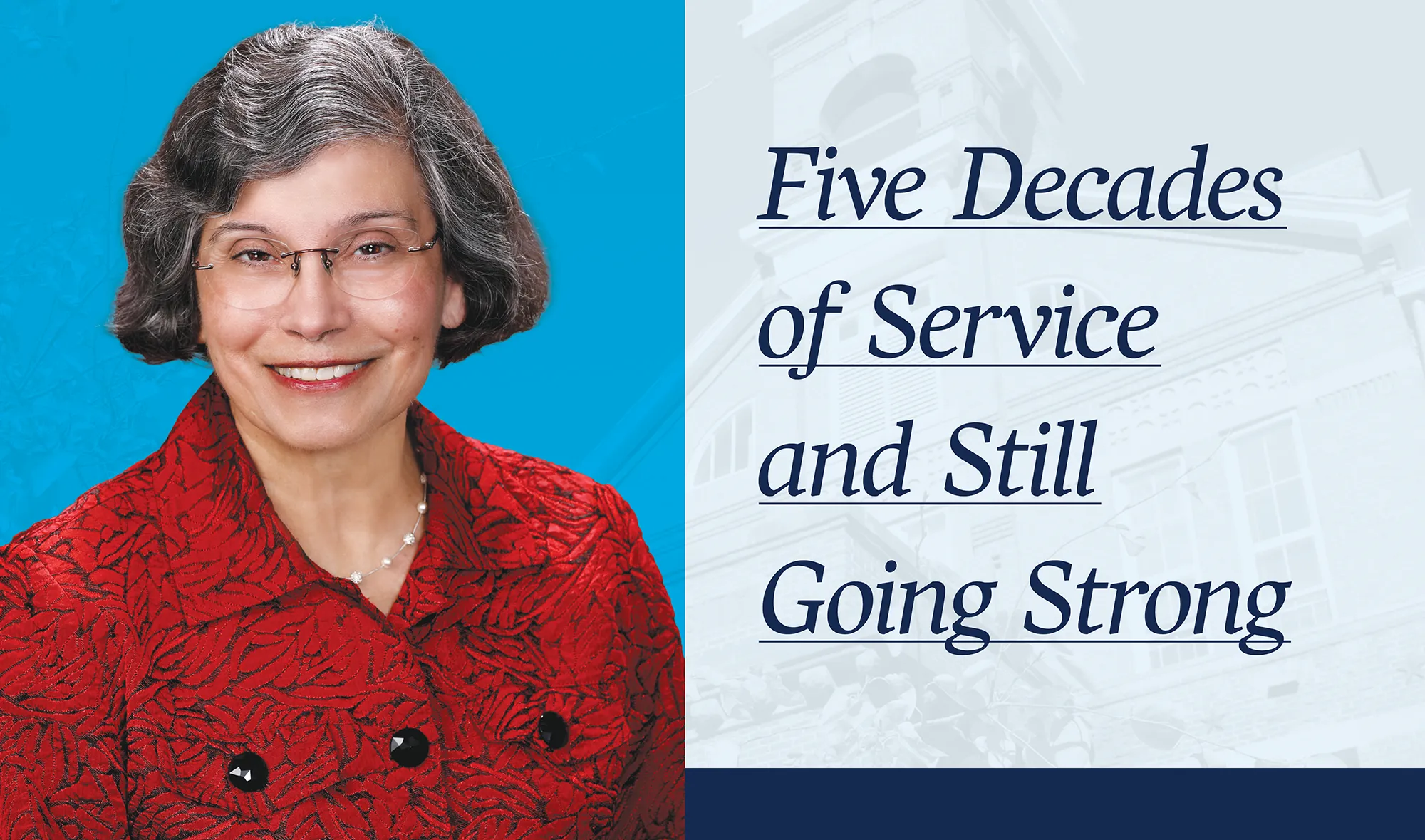
What followed his death was not withdrawal from life, but action. Decker helped establish a dementia education fund in his honor, which was focused on awareness and learning rather than recognition. It was a familiar pattern for those who know her well: respond to a challenge by building something that serves the people affected by it.
That instinct, to pair compassion with structure, has defined Decker’s work for more than six decades. Across higher education, healthcare, nonprofit leadership, and governance, she has strengthened complex systems while keeping people at the center.
A foundation built early
“My parents were very focused on education,” she said. “And all of us took advantage of that in different ways.”
One of seven children, Decker learned early how to listen, negotiate, and find common ground. Those skills served her well at Drake, where she arrived in the late 1960s without a clear career plan. She thought she might teach. Her undergraduate studies were in history and sociology.
Mentors like Eugene J. Paul and John McCaw, as well as others in the history department, left a lasting impression, encouraging Decker’s curiosity and confidence. “The professors were wonderful,” she said.
Her connection to Drake wouldn’t end at graduation. Over time, it would deepen as an administrator, instructor, and leader.
Human resources, reimagined
She later spent a decade with Syntex, an international pharmaceutical company, developing leaders and training sales and management teams. It was work that sharpened her ability to guide people through change. All the while, she was raising her son, Casey, and continuing her education at Drake.
Learning the power of the rules
She immersed herself in regulatory work, collaborated closely with attorneys, and led investigations with professionalism and care. Over time, colleagues began to suggest she pursue legal studies.
In her mid-40s, while working full-time at Drake as Vice Provost, Human Resources, Decker enrolled in Drake Law School as a part-time student. It was demanding, and her mother worried she was doing too much. “It was hard,” she said. “But you just go through it.”
Decker graduated and passed the bar on her first attempt.
Building institutions from the inside out
What she walked into was complex: an institution still defining itself within higher education. Over 13 years, Decker helped establish academic structure, clarify leadership roles, and successfully guide the college through the demands of 14 accreditation bodies. She took great pride in strengthening nursing programs and building a foundation that continues to serve students today.
After her first retirement in 2018, Decker took on a new opportunity as executive director at Catholic Charities, Diocese of Des Moines. For six years, she led a wide range of services, including counseling, refugee resettlement, a food pantry, an emergency family shelter, and domestic violence programming.
Decker credits strong governance as essential to making it all work. “A strong, engaged board matters,” she said. “Especially when you’re making difficult decisions.”
Today, Decker continues to serve through board and governance roles at WesleyLife and St. Ambrose Catholic Church. She recently concluded a 19-year term on the Bankers Trust Community Advisory Board.
Ask Decker what she hopes her leadership legacy will be known for, and her answer is simple: “To enhance an organization toward its vision and mission,” she said, “and to be viewed as an individual who has a compassionate spirit, who is looking at better opportunities for people and providing services to those in need.”